
Basements are where most Toronto mould problems start, and the reason is structural rather than bad luck: they are below grade, cooler than the rest of the house, and often the least ventilated space in the building. Mold Remediation Toronto by FloodTech removes basement mould across Toronto and the GTA — and, more importantly, deals with the moisture that caused it.
Call 647-956-6121 for a free inspection.
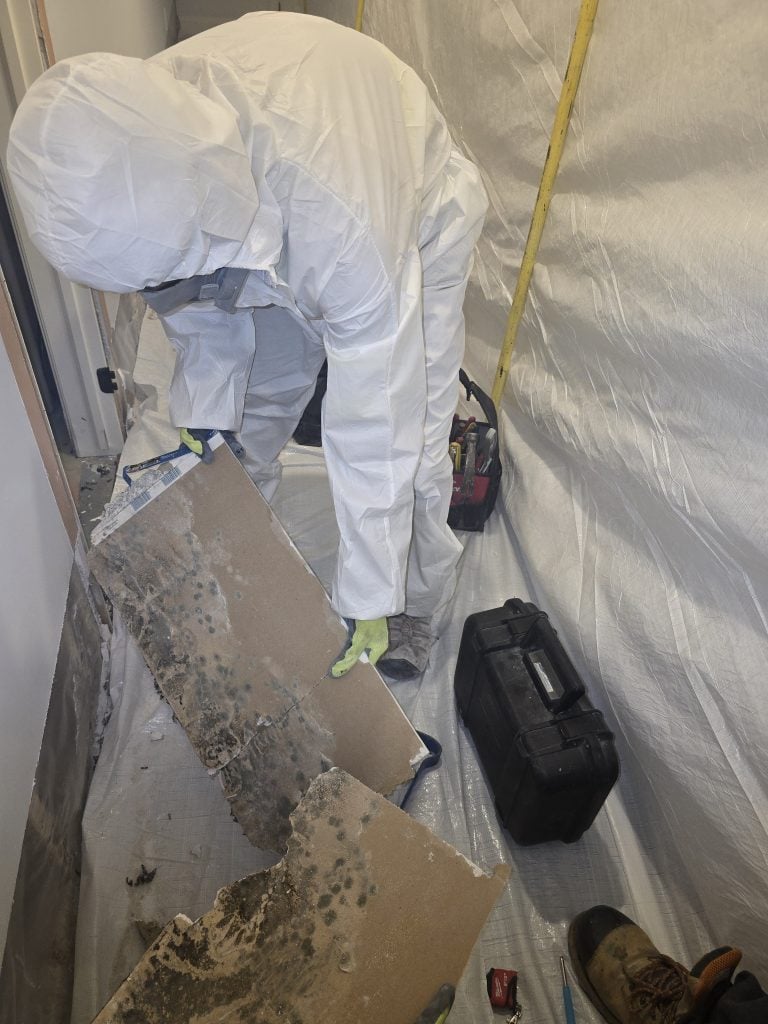
Why basements grow mould when the rest of the house does not
- Seepage through foundation walls. Hydrostatic pressure pushes moisture through concrete and block, often with no visible water at all.
- Summer humidity condensing on cold surfaces. Warm humid air meeting a cool foundation wall produces condensation — which is why some basements smell worse in July than in February.
- Finished basements built over a moisture problem. Studwork and drywall against a damp wall, with vapour trapped behind it.
- Plumbing and appliances. Slow leaks behind laundry appliances, water heaters and under stairs run for months unnoticed.
- Past flooding that was never properly dried. Surface water gets mopped up; material inside the wall cavity does not.
Removing the mould is the easy half
Mold Removal Questions Answered
Remediation that does not address the moisture source is temporary by definition — the growth returns to the same wall within a season or two. That is why our inspection uses a thermal imaging camera and moisture meters to establish where water is entering or condensing, before any quote is written.
Sometimes the fix is straightforward: a failed sump pump, an appliance leak, a downspout discharging against the foundation, or a dehumidifier that was never sized for the space. Sometimes it is a genuine waterproofing problem, in which case you need to know that before spending money on remediation alone. Either way you will be told which one it is.
How the work runs
1. Free inspection and moisture mapping
An IICRC-certified technician assesses the basement and the areas connected to it, including behind finished walls where accessible, and identifies the moisture source rather than only the growth.
2. Written scope
You receive a written proposal covering what will be removed, how the area will be contained, the clearance criteria, and what needs to happen to the moisture source. Where a claim is involved we liaise with the insurer directly.
3. Containment, removal and treatment
The area is sealed under negative pressure. Affected porous materials — drywall, insulation, underlay, and any studwork that cannot be salvaged — are removed and bagged, surfaces are treated with an antimicrobial, and HEPA air scrubbers run throughout so that spores are captured rather than redistributed upstairs.
4. Drying, clearance testing and prevention
The structure is dried properly, then clearance testing confirms the air is back within acceptable thresholds. You receive the results, the documentation and a prevention plan. If testing shows remaining elevation we return at no additional charge under our mold-free guarantee.
Book a free basement inspection
Call 647-956-6121, 24/7, or request a free inspection. We serve Toronto and the Greater Toronto Area.
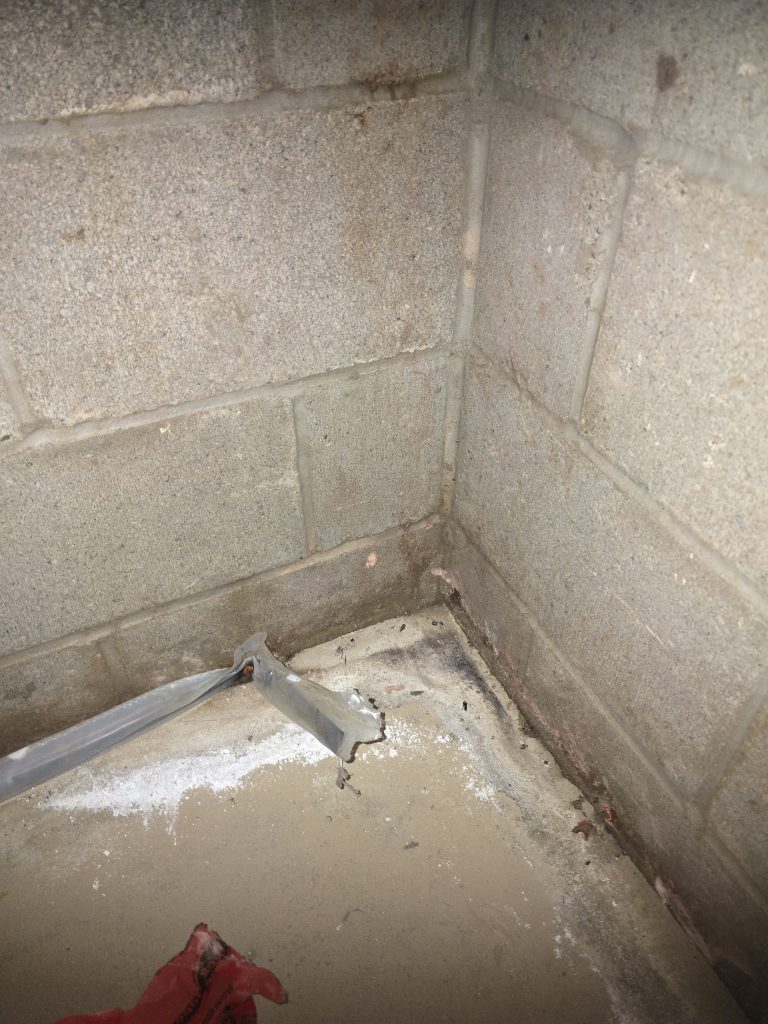
My basement just smells musty — is that mould?
A persistent musty smell in a basement is usually microbial growth somewhere, even when nothing is visible. It is frequently behind finished walls or under flooring. An inspection with moisture instruments will find it faster than pulling things apart speculatively.
Do I have to remove the finished basement?
Not necessarily all of it. What comes out is what is affected and porous. Framing is often salvageable; drywall and insulation that have been wet generally are not. The written scope will tell you exactly what is coming out before work starts.
Will a dehumidifier fix it?
A correctly sized dehumidifier helps a great deal with humidity-driven growth and does nothing at all about water entering through a wall. Which one you have determines whether it is part of the answer.
Is basement mould covered by insurance?
It depends on the cause. Sudden events such as a burst pipe are treated differently from long-term seepage under most Ontario policies. We document the cause and liaise with your insurer; your broker confirms coverage.